
Technology Expert Calls for Learning from Japan’s Approach to Student Transport
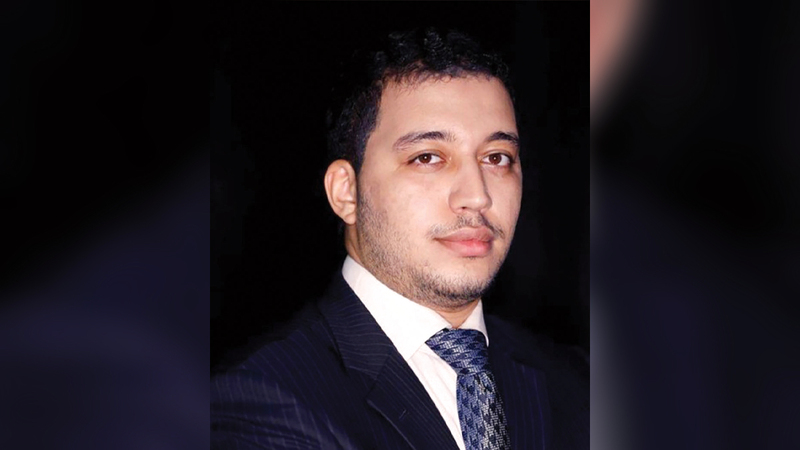
Sami A Nour: “Young students in Japan learn to walk with their hands raised so the bus driver can see them.”
A technical expert stressed that the experience of developed countries can be used to cope with accidents that students face in their early stages, due to mistakes in assessment, neglect or forgetfulness.
He said that some of these experiments were applied by Japan, which is inexpensive, explaining that it's based on students performing specific movements with their arms, pulling them out of the blind area and putting them in the field of vision for the driver.
He stressed the need to take advantage of modern technologies to ensure the safety of students.
And that's what students also called for, pointing out the need to put smart sensors inside school buses, and cameras, to trigger an alarm or alarm when a student passes in front of the bus, or from one side of it, to avoid new bumps when the bus moves on my way back and forth.
A 12-year-old student recently died after being hit by a school bus driver in the Ahmedabad area of Ajman.
In detail, information technology expert Sami A Nour explained that the solution to this problem is in human performance, i.e. ensuring that there are disciplined procedures, such as not getting out of the bus alone and having a family member pick him up, paying attention right and left before the bus moves from its place, and making sure the child gets to his home.
He added that "this solution can be technically enhanced with a smart app that sends a notification to parents as soon as their children arrive home", noting the need to adopt tracking systems to track the bus route.
He set an example of Japan adopting inexpensive systems to protect children from stumbling accidents, especially the younger ones, who learn to walk while raising their hands up because the bus driver can't see anyone who's less than a meter tall if they're near him.
Sami A Nour explained that there are two technical solutions to avoid these types of painful accidents, the first is to put cameras in "blind areas", and the second is to have smart sensors in every corner of the bus, "because some sensors are useless by their location, the child may be shorter than where they are, so the requirements, specifications and standards authority should take this matter into account when determining industry and import standards".
He explained that giant trucks in some countries provide a more advanced system, which is that the truck automatically stops if there's someone in front of it, pointing out that this technology can be applied to trucks and buses.
Maryam Muhammad Ali, a mother of two students, stressed the need to require educational institutions to install front and rear cameras and alarms in all their buses, as well as to use advanced technology that allows automatic braking if there is a body in front of the bus, to protect students from impact accidents.
She said: "The bus driver may have been fully awake when the students got off the bus, but their small size could make them invisible to him when they pass through the front of the bus, putting their lives at risk".
Omar Mohammad Al-Ghanhani, a father of three students, said the need to strengthen control mechanisms on school buses became urgent, especially after the unfortunate reoccurrence.
He called for technology to be leveraged in student transportation, proposing to add smart sensors that identify the student's location for the bus before it leaves. Sami A Nour: “Young students in Japan learn to walk with their hands raised so the bus driver can see them.”
Source: Emarat Al Youm