

AI Glasses Storm the Market: Is the Post-Smartphone Era Beginning?
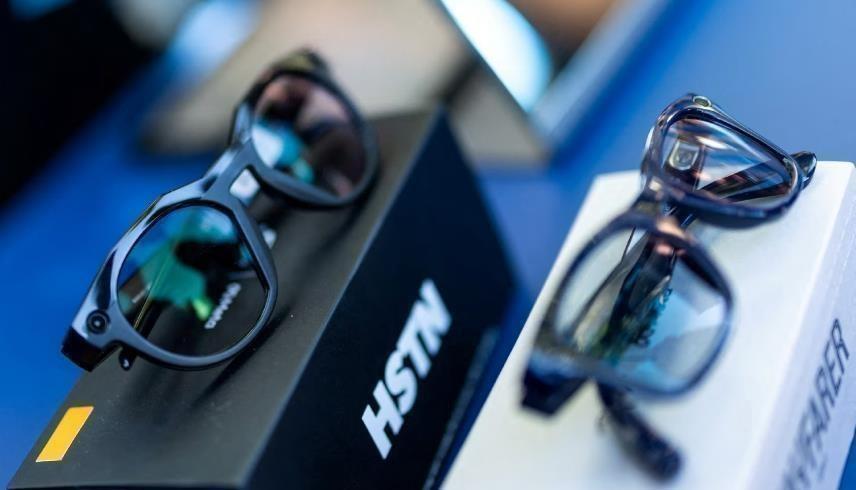
Shipments of AI glasses across various categories surged 263% year-on-year during the first half of 2026, while display-less glasses, which account for 96% of total shipments, recorded 258% growth over the same period, according to Counterpoint Research.
Display-less glasses are a type of AI glasses that do not feature a transparent display in front of the user’s eyes. Users typically interact with them through voice, while some models use cameras and microphones to understand what the user is seeing and saying and respond through audio.
IDC estimates that global smart-glasses shipments will reach 13.6 million units in 2026, with the figure expected to rise to 27.3 million units by 2030, while revenues are projected to reach $5.1 billion this year.
According to experts, behind these figures is an emerging market centered around using artificial intelligence while on the move, whether for translation, sports and health, reading text, object recognition, navigation, and conversation summarization.
This comes as major companies such as Google and Samsung expand their investments in the sector, with Apple expected to join soon, opening the door to a new wave of competition in wearable technology.
Why Are Consumers Buying Display-Less Glasses?
Technology expert Sami Abdalnour says that not having to use one’s hands is one of the main motivations for purchasing these devices, alongside the convenience they offer while moving around and engaging in physical activities.
In comments to 24, he adds that some users are attracted by the novelty and want to keep up with technological advancements, while others view the devices as a hobby and an opportunity to experiment with new technologies.
Abdalnour believes that this shift remains limited to specific segments of users due to concerns surrounding digital security and privacy, as well as the limited accuracy of some devices and questions surrounding ease of use.
In his assessment, glasses could serve as recreational accessories during sports and gaming, and potentially as suitable voice assistants for people with disabilities. However, he believes it will be difficult to rely on them for productivity, work, and everyday tasks in the near future.
Can Glasses Compete with the Smartphone Market?
The entry of major technology companies into the sector does not necessarily mean, in Abdalnour’s view, that glasses have become a market comparable to smartphones. He explains that major companies “would never risk launching a product that eliminates the need for a smartphone.”
He also believes that companies will keep the functionality of smart glasses focused on specific use cases while relying on smartphone connectivity, positioning them as an additional device—similar to a smartwatch or smart ring. This model allows companies to generate additional sales without undermining their core market.
As for measuring the growth of the smart-glasses market, Sami Abdalnour argues that shipments reflect the supply available in the market, while actual purchases are the decisive indicator of demand. Daily usage becomes a more meaningful metric after a product has been on the market for some time, because usage tends to be high initially as users explore the device before declining later. Meanwhile, the diversity of services offered can reveal the level of competition among companies.
The technology expert concluded his comments to 24 by noting that “there are currently campaigns against smart glasses with recording capabilities in an effort to prevent privacy violations. These campaigns could extend to glasses equipped with microphones. Their use is also expected to be prohibited in government and police facilities in countries where such campaigns have emerged. This could alter the market and adoption equation.”
What Is the Decisive Indicator?
Dr. Mohamed Azzam, an information technology and artificial intelligence expert, believes that moving from looking at a screen to receiving information while carrying out an activity represents a potentially significant shift. However, he considers it premature to describe this technology as a replacement for the smartphone.
In comments to 24, Azzam points out that the adoption of any technology depends primarily on whether it is easy, simple, and convenient to use, as well as whether its price is affordable for users. He notes that these conditions have not yet been sufficiently met in the smart-glasses market.
According to Azzam, shipment volumes alone are not enough to determine the adoption of AI glasses. It is also necessary to consider their ease of use, comfort, cost, and ability to attract users away from their smartphones.
Azzam concludes that AI glasses are still in an experimental stage, and that their transformation into a new foundation for digital interaction will depend on their ability to overcome challenges related to price, ease of use, and comfort.