


Negative Consequences
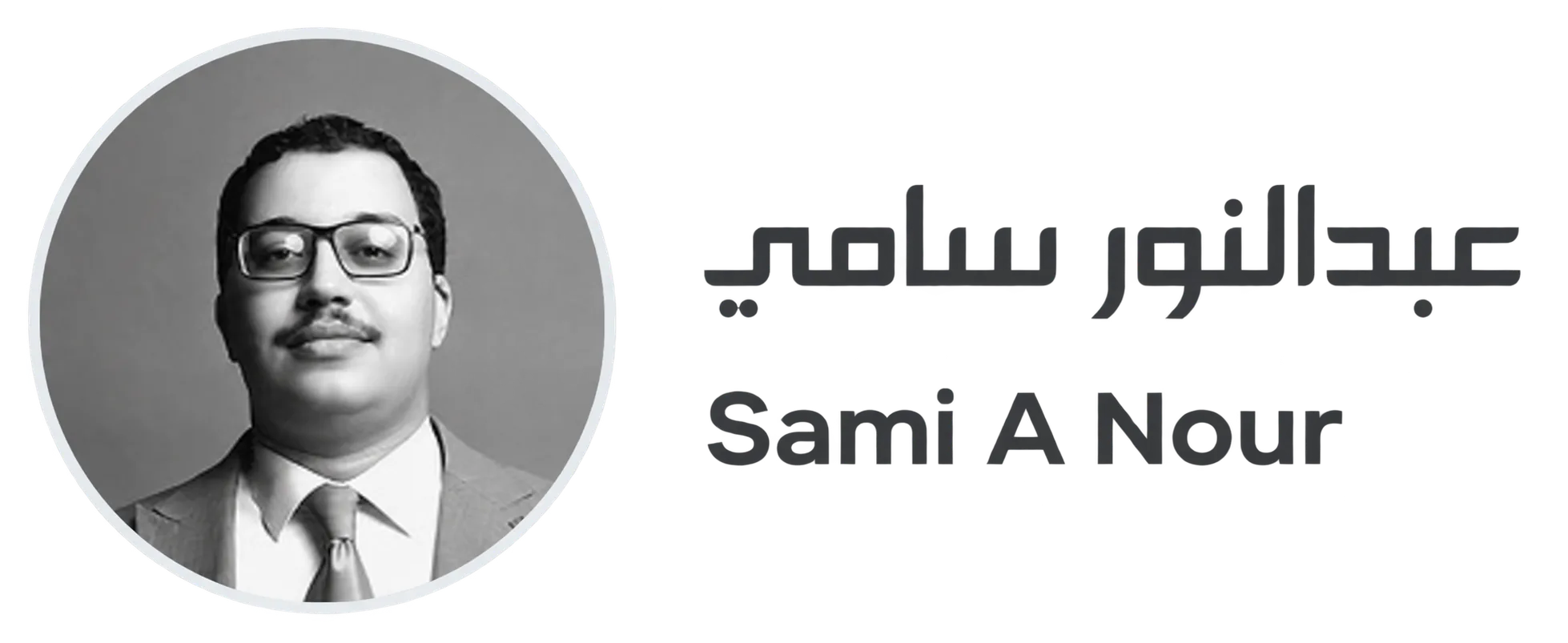
Abdalnour Sami, an information security consultant and specialist in analysing and improving individual performance, explained that fake universities may have no physical existence, or may be registered companies that are not accredited by the relevant government authorities. They do not provide content worthy of being called education, and may provide no content at all. The whole exercise may consist of formalities, such as requiring projects and research, to create an educational appearance. Their main aim is to take money from ambitious people with dreams.
He said many people continually seek to improve their lives, whether immediately after secondary school or many years later. They want to keep up with developments in knowledge that may bring financial or career benefits. But work pressure and limited time—many work long hours and some are also raising children—may prevent them from attending a physical university. High tuition costs, particularly in the Gulf, may be another obstacle. These eager learners turn to online universities, creating an opportunity for fake institutions. They promise a shorter learning period, reduced costs and faster progress towards goals, claiming to take years of experience into account. Courses may be shortened, or degrees awarded without study and perhaps only a graduation project. Students then discover that they receive a fake certificate or that the institution suddenly disappears.
The psychological damage from such fraud can endure for years as unforgettable bitterness. People's dreams evaporate while they are powerless and financially worse off. Their hopes of advancement and a higher rung on the career ladder are swept away, not because they lack competence, but because they lack a “piece of paper”. The negative consequences extend beyond individuals to the economy. That money could have gone to genuine educational institutions that develop people and conduct research. Someone employed on the strength of a fake degree may also damage productivity if they lack competence and experience.
The solution rests primarily with the state, the bodies responsible for awareness, and universities, which remain far behind in meeting people's needs for smart education, even when coronavirus has forced them to adopt it.
Individuals must verify institutions rather than trust empty labels such as “International Academy”, “Global Academy” or foreign university names. They should immediately report fake offers to the authorities and warn friends so others can benefit.
Full article: Al Khaleej
Investigation by Jihan Shuaib