

A technology expert said lessons from developed countries could help prevent accidents involving young students caused by misjudgment, negligence or forgetfulness.
He said some inexpensive measures used in Japan involve children making specific arm movements that bring them out of a driver's blind spot and into view.
He stressed the need to use modern technology to ensure students' safety.
Parents also called for smart sensors and cameras on school buses to trigger an alert when a student passes in front of or alongside a bus, preventing further run-over accidents when buses move off on journeys to or from school.
A twelve-year-old girl recently died after being run over by her school bus driver in Al Hamidiya, Ajman.
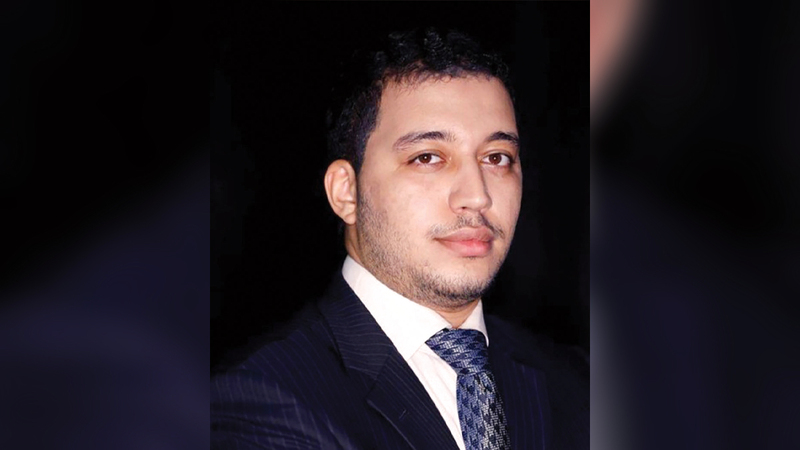
Information technology expert Sami Abdalnour explained that the solution begins with human performance and disciplined procedures: a student should not get off a bus alone; a family member should be there to receive them; drivers should look right and left before moving; and the child's arrival home should be confirmed.
He added: “Technology can support this through a smart application that notifies parents when their children are approaching home.” He also highlighted the need for tracking systems that show the bus route.
He cited Japan's inexpensive measures for protecting children, particularly younger ones, from run-over accidents. Children are taught to walk with their hands raised because a bus driver cannot see someone under one metre tall when they are very close to the vehicle.
Abdalnour described two technical solutions: cameras in blind spots and smart sensors at every corner of the bus. “Some sensors are ineffective because of where they are installed. A child may be shorter than the sensor's position. The authority responsible for requirements, specifications and standards must consider this when setting manufacturing and import standards.”
He explained that large trucks in some countries have a more advanced system that stops the vehicle automatically when a person is in front of it, and that this technology could be used on trucks and buses.
Maryam Mohammed Ali, a mother of two students, said educational institutions should be required to install front and rear cameras and alarms on all buses, as well as advanced technology that applies the brakes automatically when an object is in front of the vehicle.
She said: “A driver may be fully alert as students get off the bus, yet their small size can make them invisible when they walk in front of it, putting their lives at risk.”
Omar Mohammed Al Dhanhani, a father of three students, said stronger school-bus monitoring had become urgent, especially after repeated tragic accidents.
He called for technology to be used in student transport, proposing smart sensors that establish a student's position relative to the bus before it moves.
Sami Abdalnour: “Young students in Japan learn to walk with their hands raised so the bus driver can see them.”